Lanzarote Volcano Tour
See tours

Best time

The best time to visit the fire mountains: heat, wind and the quiet hours

Lanzarote does not really have an off season, which is why this question is harder here than in most places. The island sits far enough south that winter stays mild and the volcanic south is dry all year, so there is no month when the cones are closed or the flows are hidden. What changes is how the place feels to be in. In high summer black rock in full sun is genuinely hard work, and the walking listings become an early-morning proposition rather than a midday one. In winter the walking is a pleasure and the wind is the thing you dress for. And in every month there is a rhythm inside the day itself: the coaches from the resorts reach the park in a wave through the middle of the morning, and the hours on either side of that wave are quieter. This page sets out the year honestly, and then the day.

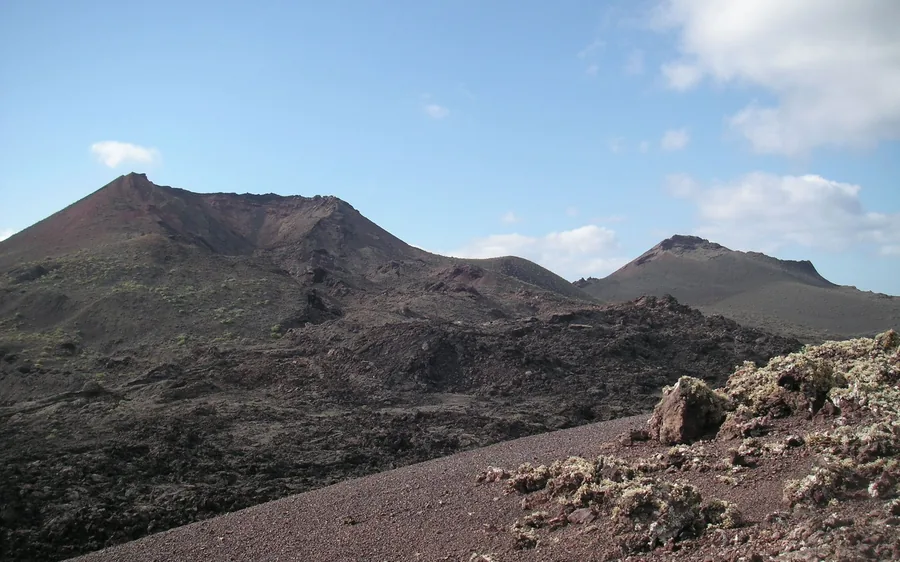
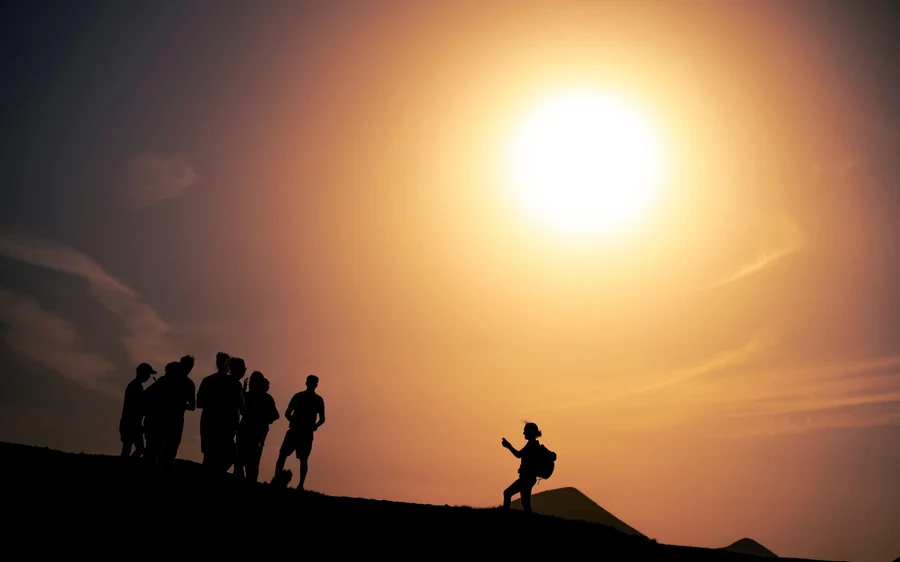
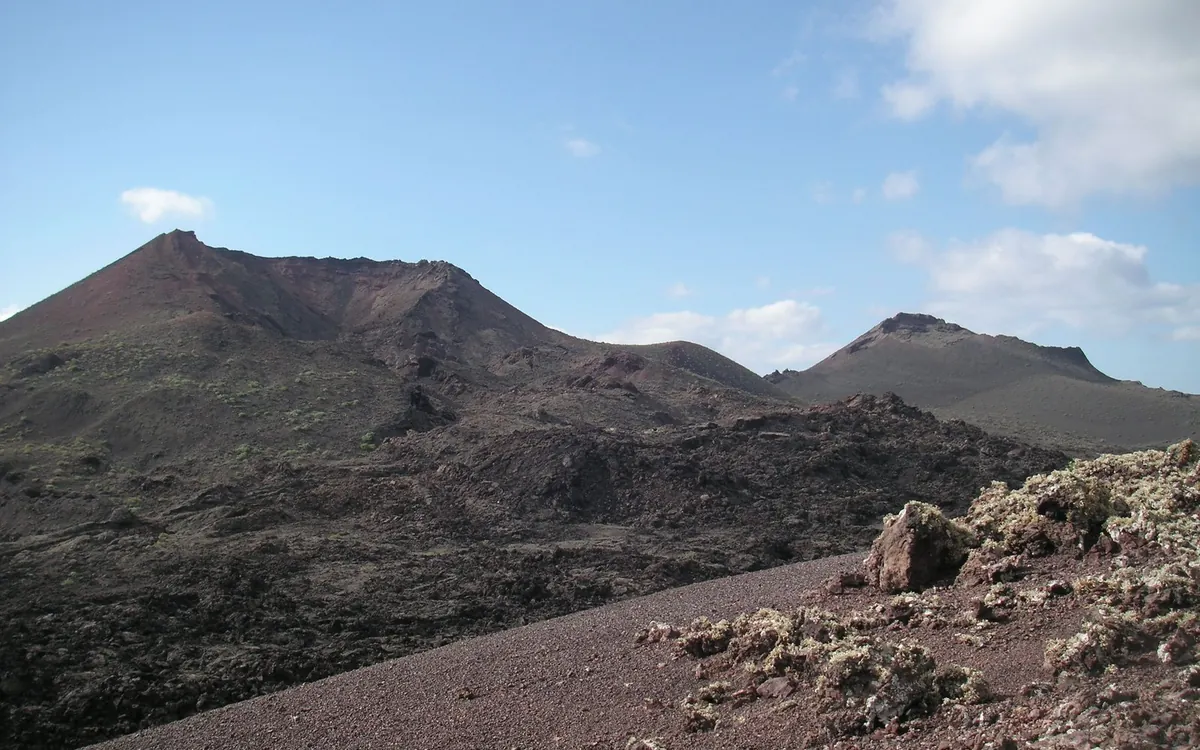
Low sun across volcanic cones and dark lava fields in the south of Lanzarote

The year at a glance

Easiest for walking
December to Marchmild air on black rock — the months the three-hour walks are most comfortable
Hardest for walking
July and Augustdark stone in full sun with no shade; go early or ride instead
Quietest hours in the park
Early and latethe resort coaches arrive in a wave through the middle of the morning
What never changes
The windthe trade winds work this island all year; it is breezier than people expect
What the season does not change
The farethe listings are priced as shown, and the site quotes from $54
If heat is the worry
$172 · 2 - 3 hmoving air, a short listing, and 5,513 reviews at 4.7 behind it
If wind is the worry
$68 · 5 hthe park loop is done from inside a coach, whatever the day is doing outside
Cancellation
Free cancellationit applies on every tour listed on this site

Quick answer

The short answer. If you want to walk on the lava, come between December and March and book $48 or $50 for the morning: mild air, low sun, and the best rated listings on this site. If you are here in July or August, take the fire mountains from a seat with $68, or take the moving air of $172, and leave the middle of the day alone. In any month, the earliest departure you can get is the one to book: the park is at its quietest before the resort coaches arrive, and the light on black rock is better at both ends of the day than it is on top of it. Free cancellation applies on every tour on this site, so a morning can be moved if the wind gets up.

Month by month

The four stretches of the year, and what each one gives you

Ratings here are ours, based on how comfortable the volcanic south is to spend a day in. Nobody publishes a wind forecast for a lava field, and neither do we.

December – March

The walking months

The most comfortable stretch for being out on the rock. Mild air, low sun that picks the cones out beautifully, and three hours on foot that costs you nothing in effort you did not plan for. It is also the windiest feeling time of year, so a layer that stops wind matters more than a warm one. Visitor numbers are steady rather than heavy.

April – June

The bright shoulder

Warming up week by week, long daylight, and the landscape at its most photogenic. Walking is still straightforward in the morning and becomes work by the afternoon. A good compromise if you want both the walks and the beach, and quieter than the summer weeks.

July – August

The hot weeks

The stretch to plan around rather than avoid. Dark stone in full sun with no shade is the defining fact, and the open walks are a morning-only proposition. The park loop from a coach is unaffected, the buggy has moving air, and the boats are the obvious afternoon. Busiest weeks of the year.

September – November

The easing months

Heat coming out of the air week by week, the crowds thinning after the first weeks of September, and walking comfortable again by October. If you want the combination of warm sea and manageable lava, this is the window most people overlook.

What the heat actually does

Why black rock is a different climate from the rest of the island

The volcanic south behaves nothing like the coast you are staying on, and that is worth understanding before you decide a month is fine.

Dark stone takes the sun in. A lava field in full sun is not a shaded path with hot air over it; it is a surface that has been absorbing heat since sunrise and is giving it back at you from below while the sun works on you from above. That is why the guided walks here are three hours rather than six, and why the operators start them early. It is also why a morning that feels pleasant when you are photographing from the roadside can feel like hard work forty minutes into a walk.

There is no shade. None. Not a tree, not an overhang you can rely on, and nothing man-made between the stops. Whatever you are carrying is the shade you have. This is the single most underestimated thing about the landscape, and it is the reason the hat is not optional in June.

The wind cuts both ways. The trade winds work this island all year and they are why a hot day out here is survivable in a way the same temperature would not be inland somewhere else. The same wind in January is what makes a mild day feel cold on an exposed ridge. Either way you are dressing for moving air, not still air.

What we will not do is tell you what the thermometer will say on your morning. No listing on this site promises weather, no operator controls it, and any page that hands you a number for a specific week in advance is inventing it.

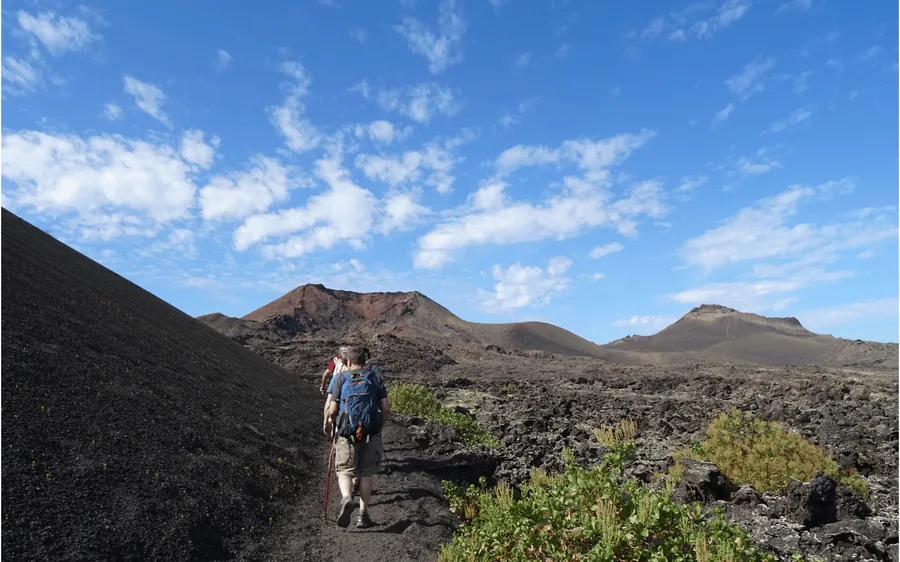
Walkers crossing a rough black lava field under strong sun with volcanic cones behind

The rhythm of the day

When the park is busy, and when it is not

The month you choose matters less than most people expect. The hour matters more than almost anybody expects.

The coach wave. The resorts are in the east and the south-east; the volcanic country is in the west. Nearly everybody who visits the park does so on a trip that leaves a hotel after breakfast, which means the arrivals stack up through the middle of the morning. That is when the queue for the loop is longest, when the car park is fullest and when the demonstration at the visitor stop has the deepest crowd around it.

Early is better. The listings that leave earliest reach the park before the wave. $70 is explicitly a morning run, and $56 at two and a half hours is built around getting in and out efficiently. The guided walks all start early for the heat, which has the side effect of putting you on the lava when nobody else is on it.

Late has its own case. In the second half of the afternoon the coaches thin out and the light gets much better: low sun across a field of black cones does something that midday sun flattens completely. If you are photographing rather than ticking off, the last hours are the ones you want, and the longer listings like $68 and $58 are still out there then.

And the days of the week. Cruise ships are the other variable. When a ship is in Arrecife, the short port runs fill and the park sees an extra wave that has nothing to do with the hotels. The listings written for that market — $56 and $70 — exist precisely because those hours are tight, which also makes them a good guide to how quickly the place can be done when it needs to be.

How to book around the weather

Six things that turn an awkward forecast into a minor detail

None of these require paying more. Most of them are about which morning and which hour you choose, not which listing.

  • Take the earliest departure offered

    It solves two problems at once: you are on the rock before the heat builds, and you are in the park before the coaches stack up. On this island that single decision does more than any other.

  • In summer, put the walks in the morning and the water in the afternoon

    Three hours on open lava at two in the afternoon in August is a bad plan even for people who walk a lot. The boats, the submarine hour and the buggy’s moving air all work better once the sun is high.

  • In winter, dress for wind rather than for cold

    The air is mild; the wind on an exposed flow is not. A thin layer that actually stops wind beats a thick one that does not, and it packs down to nothing when the sun comes out.

  • Keep a spare morning if you can

    One flexible morning in a week is worth more than any upgrade on the page, and free cancellation on every tour on this site is what makes that possible.

  • Book early in your stay, not on the last day

    If the volcanic south is on your final morning, a windy day has nowhere to move to. Put it on day two or three and the rest of the week becomes the insurance.

  • Check what the listing does when the weather turns

    Boats are the listings most likely to be affected by a blowy day; the park loop is done from inside a coach and carries on. The listing page states its own policy, and free cancellation applies on every tour on this site within the stated window.

Which one to go to

If you are choosing between the sights rather than the months

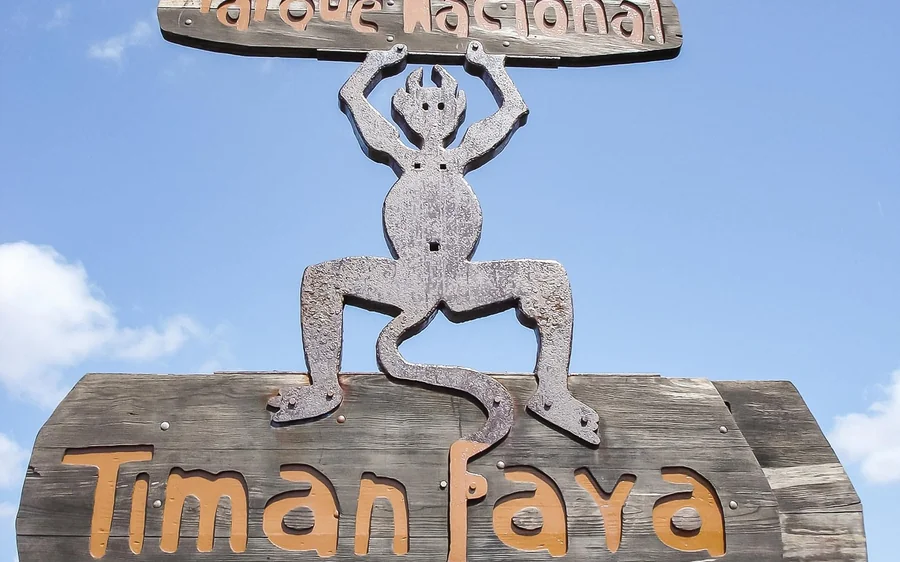
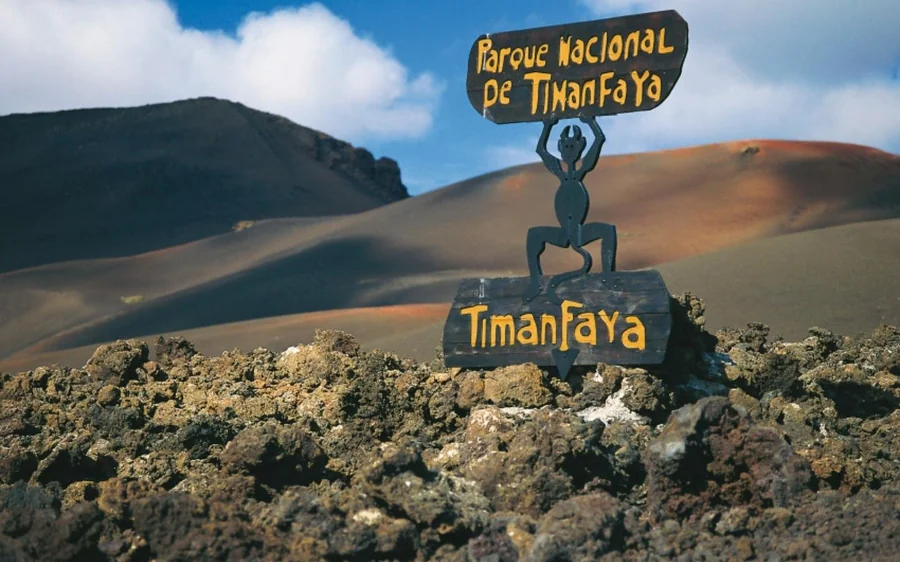
People searching for the best volcano to visit in Lanzarote are usually asking a simpler question than it looks: of all the cones on this island, which is the one to spend a morning on? The honest answer is that the thing worth visiting is not a single cone at all — it is the field of them in the south, protected as Timanfaya National Park, and the way to see it is the loop road through the middle with $68 or $68.

If you want to stand on it, the answer is different, because that has to happen outside the park road. The three guided walks — $48 at 4.9, $50 at 4.8 and $54 at 4.8 — work the flows that the eruption of the 1730s laid down beyond the protected boundary. Same rock, same century, your own boots on it.

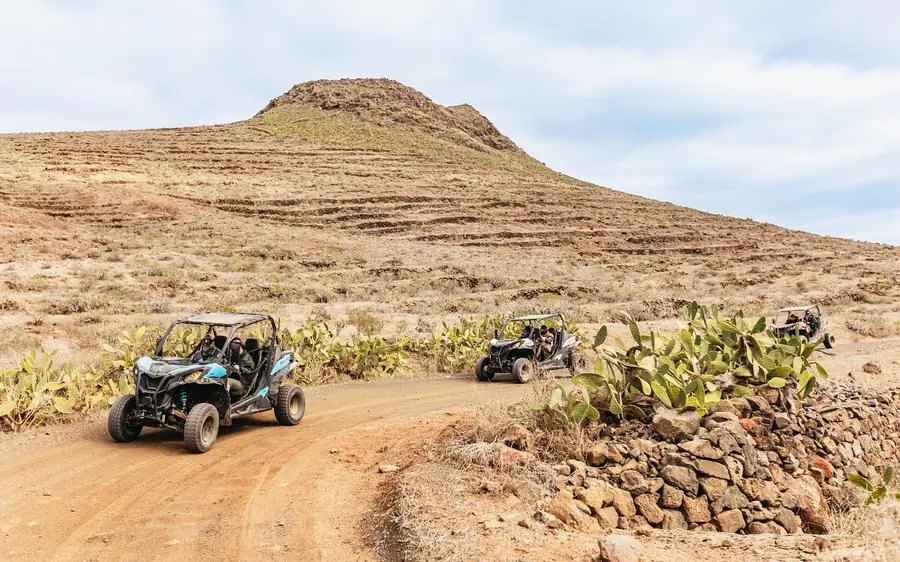
If you want to cover ground, $172 is the only listing here where you drive, and the tracks it uses take in the northern part of the island as well. At 5,513 reviews it is the most booked thing on this site, and two to three hours of it in the morning air is a very different memory from a coach window.

And if you have one day only, $102 is the nine-hour version that takes in the park, Jameos del Agua and Cueva de los Verdes together. It is a long day, it is the second most reviewed listing on this site at 2,845, and it does mean you are not choosing.
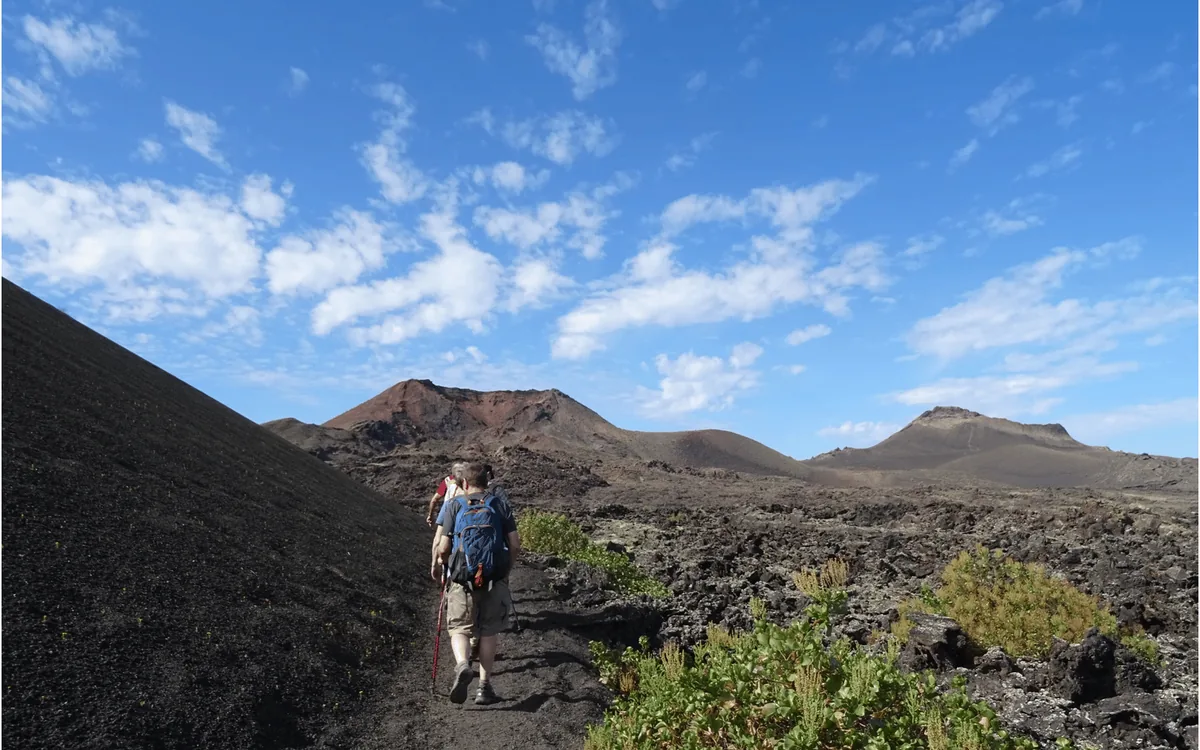
Whichever month you land in, the black rock decides what you should have on your feet.

See what to wear

Book direct

Six bookings for any month, with the fares as they stand today

The buggy we put first, the two best rated walks on the site, the half day in the park from a seat, the fare the site quotes from, and the six-hour park day.

Lanzarote: Guided Off-Road Volcano Buggy Tour
Our top pick5,513 reviews
2 - 3 hours

Lanzarote: Guided Off-Road Volcano Buggy Tour

4.7 · 5,513 reviews

  • 2 to 3 hours, from Costa Teguise
  • Peñas del Chache
  • Most booked
  • Free cancellation
$172$86.00 / hour
Check availability
Lanzarote: Guided Volcano Hike with Transfers
Lowest price here945 reviews
3h 30m

Lanzarote: Guided Volcano Hike with Transfers

4.9 · 945 reviews

  • Three and a half hours, a small group
  • Professional hiking guides
  • Lanzarote's volcanic landscape
  • Free cancellation
$48$13.71 / hour
Check availability
Lanzarote: Hike Across Timanfaya's Volcanic Landscapes
3 h1,518 reviews
3 h

Lanzarote: Hike Across Timanfaya's Volcanic Landscapes

4.8 · 1,518 reviews

  • Three hours
  • Hotel pickup included
  • Optional hotel transfers
  • Free cancellation
$50$16.67 / hour
Check availability
Lanzarote: Timanfaya National Park - Half day tour
5 h2,785 reviews
5 h

Lanzarote: Timanfaya National Park - Half day tour

4.4 · 2,785 reviews

  • Five hours, on the Volcano Route
  • Live geothermal experiments
  • Craters and lava fields
  • Free cancellation
$68$13.60 / hour
Check availability
Lanzarote: Trekking In the Timanfaya eruption Natural Park.
3 h973 reviews
3 h

Lanzarote: Trekking In the Timanfaya eruption Natural Park.

4.8 · 973 reviews

  • Three hours, in Timanfaya Natural Park
  • Guided hike
  • White wine
  • Free cancellation
$54$18.00 / hour
Check availability
Lanzarote: Timanfaya National Park Tour
6 h1,019 reviews
6 h

Lanzarote: Timanfaya National Park Tour

4.4 · 1,019 reviews

  • Six hours
  • Lunar landscapes
  • Geothermal scenery
  • Free cancellation
$68$11.33 / hour
Check availability

Common questions

When to come, answered

What is the best month to visit the fire mountains?

For walking on the lava, December to March: the air is mild, the sun is low and three hours on foot is comfortable. For everything else the year is remarkably even, so the honest answer is that the hour of the day matters more than the month.

Is July too hot?

Not for the park loop, which is done from inside a coach, and not for the boats. It is hard work for the guided walks, because dark rock in full sun with no shade is its own climate. In summer, walk early or ride instead.

When is the park least busy?

Early, before the coaches from the resorts arrive, and in the second half of the afternoon once they have gone. The middle of the morning is the wave. A ship in Arrecife adds a second one, which is why the short port runs exist.

Does it rain?

The volcanic south is dry, and rain is not the thing to plan around here. Wind is. The trade winds work this island all year and an exposed flow is breezier than the beach you came from.

Will the wind stop a tour?

It can affect the boats more than anything on land; the park loop is driven whatever the day is doing. Each listing states its own policy, and free cancellation applies on every tour listed on this site within the stated window.

Do the prices change with the season?

Operators move their own prices with demand, so the fares here are the live listing prices as GetYourGuide shows them today. What this page can tell you is that nothing about the landscape is seasonal — the cones and the flows are the same in February as in August.

Go deeper

More on the fires, the fares and the hours in Timanfaya

Lanzarote: Guided Off-Road Volcano Buggy Tour

4.7 · 5,513 reviews · Free cancellation 24 h

$172most booked Check dates